Singapore Property Affordability Pressure: How Rising Costs Are Reshaping Buying Decisions in 2026

Affordability has become one of the most influential forces shaping Singapore’s property market in 2026. While demand remains stable, rising property prices, higher interest rates compared to past lows, and stricter financing conditions have changed how buyers approach purchasing decisions.
This shift is not reducing interest in property ownership, but it is forcing buyers to be more selective, strategic, and financially disciplined.
Rising Entry Costs in the Property Market
One of the clearest trends is the continuous rise in entry costs. Private residential properties now require significantly higher capital outlay compared to previous years.
This affects both first-time buyers and upgraders, who must carefully evaluate budget allocation before committing.
As prices increase, buyers are forced to reconsider location, unit size, and long-term affordability.
Financing Constraints and Loan Sensitivity
Financing conditions play a major role in affordability pressure. Higher interest rates increase monthly mortgage commitments, reducing overall borrowing capacity.
Even small rate changes can significantly impact total repayment amounts over long holding periods.
As a result, buyers are becoming more conservative in their loan-to-value planning and stress-testing affordability before purchase.
Shift Toward Value-Oriented Buying
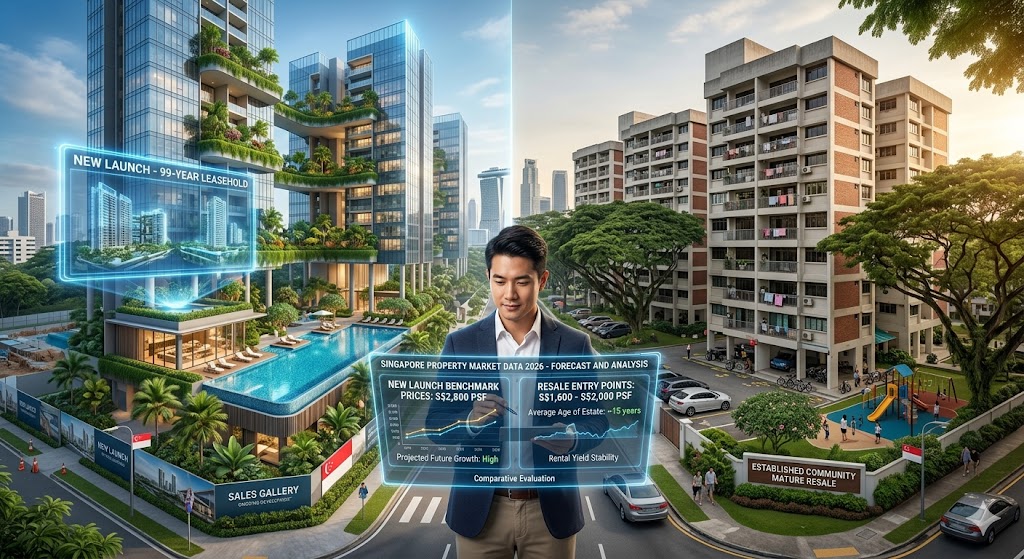
Affordability pressure has shifted buyer focus from premium positioning to value-driven decisions. Instead of purely chasing prestige locations, many buyers now evaluate:
- Long-term growth potential
- Rental demand strength
- Price-to-value balance
- Future infrastructure impact
This has made analytical decision-making more important than emotional buying.
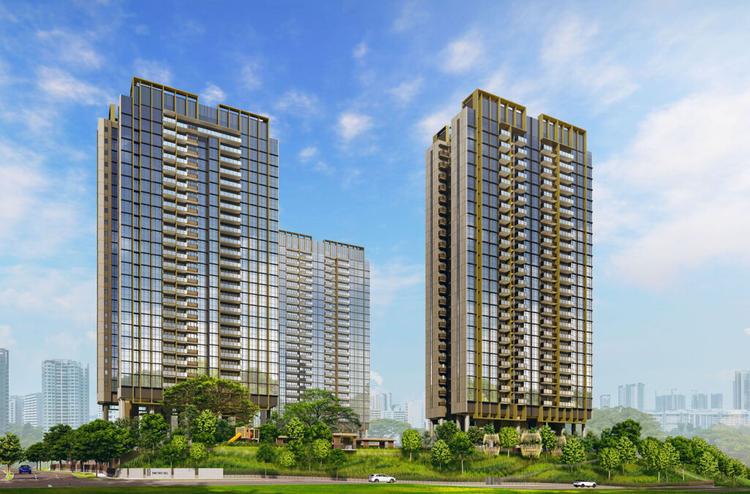
Developments such as Lucerne Grand often attract attention from buyers who want balanced value between pricing and long-term potential.
Downsizing and Space Optimization Trends
One clear outcome of affordability pressure is downsizing behavior. Many buyers are opting for smaller units or more efficient layouts to stay within budget.
Rather than maximizing size, buyers are prioritizing functionality and efficient use of space.
This trend is particularly strong among younger professionals and dual-income households.
Delayed Upgrade Cycles
Affordability constraints are also causing delayed upgrade cycles. Homeowners who would typically upgrade every few years are now holding onto existing properties longer.
This reduces transaction volume in the resale market and contributes to tighter supply conditions in certain segments.
It also reinforces the importance of timing in upgrade decisions.
Impact on First-Time Buyers
First-time buyers are among the most affected by affordability pressure. Higher entry prices and stricter loan assessments mean they must plan purchases more carefully.
Many are entering the market later in life or targeting more affordable districts compared to previous generations.
Government housing policies continue to play an important role in supporting this segment.
Rental Market Spillover Effect
When affordability decreases, some buyers delay purchases and remain in the rental market longer. This creates additional demand in the rental segment.
As a result, rental prices may remain supported even when purchase activity slows.
This interaction between buying and renting continues to shape overall housing demand.
Location Trade-Off Decisions
Buyers are increasingly forced to make trade-offs between location and affordability. Prime locations often come with higher prices, while suburban areas offer better affordability but longer commute times.
This decision-making balance is now central to most property purchases.
Developments such as Island Residences are often considered in this context due to their positioning between accessibility and relative value.
Increased Importance of Long-Term Planning
Affordability pressure has made long-term financial planning more important than ever. Buyers now consider:
- Future income growth
- Interest rate scenarios
- Family planning needs
- Exit strategy flexibility
Property decisions are increasingly integrated into broader financial life planning rather than standalone purchases.
Developer Response to Affordability Trends
Developers are also adapting by offering smaller unit configurations, flexible layouts, and phased pricing strategies.
This helps maintain demand despite higher overall price levels.
It also reflects a shift toward more targeted product design based on buyer affordability constraints.
Psychological Impact on Buyers
Affordability pressure also affects buyer psychology. Some buyers become more cautious and delay decisions, while others feel urgency due to fear of future price increases.
This creates a mixed sentiment environment where decision-making is less predictable.
Final Thoughts
Affordability pressure is one of the defining forces shaping Singapore’s property market in 2026. While demand remains strong, buyers are becoming more selective, financially disciplined, and value-focused.
This shift is creating a more measured and analytical market environment compared to previous growth cycles.
Developments such as Lucerne Grand and Island Residences sit within this evolving landscape, where pricing sensitivity and long-term value assessment are increasingly important.
Understanding affordability trends is essential for making sustainable and informed property decisions.