How to Assess Privacy When Choosing a Singapore Condominium Unit
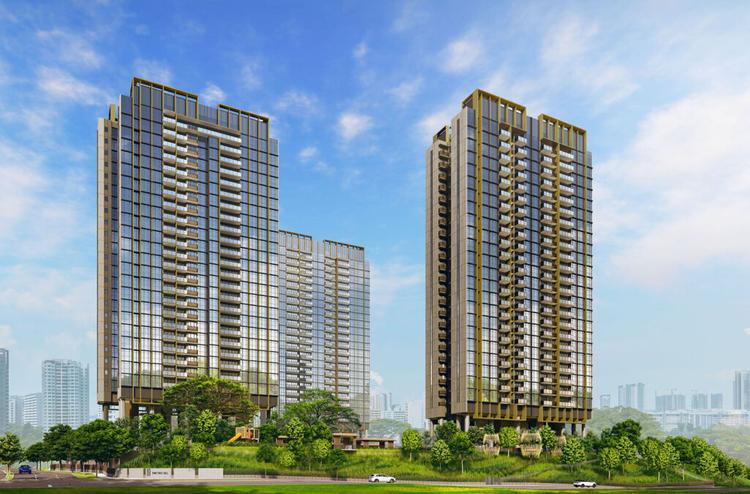
Privacy is often treated as an obvious benefit of higher-floor living, but the reality can be more nuanced. The position of a unit within a condominium, the surrounding buildings and the arrangement of windows can all influence how private a home feels.
For Singapore property buyers, privacy is therefore worth assessing at the individual-unit level rather than assuming that an entire development offers the same experience.
Look at What Faces the Unit
The first question is simple: what is directly outside the windows and balcony?
A unit facing another residential block may have a different level of visual exposure from one overlooking open space. The distance between buildings can also influence how easily residents can see into each other’s homes.
For buyers considering One Chuan Grove, examining the site plan alongside the specific unit layout can help identify which aspects of the surrounding environment may affect privacy.
The objective is not to label one facing as universally preferable. Different buyers have different priorities, and some may value an open outlook more than maximum separation from neighbouring homes.
Examine Window Placement
Privacy Is Not Only About Facing Direction
Two units with similar orientations can still provide different levels of privacy because their internal layouts may position living areas and bedrooms differently.
Large windows can create attractive views and bring natural light into a home, but they may also increase visibility from surrounding properties. The position of bedrooms, bathrooms and living spaces can therefore be relevant when assessing how the home will be used.
Buyers should look carefully at the floor plan rather than relying entirely on the development’s overall site orientation.
Consider Common Areas
Privacy can also be affected by how residents move through the development.
Units located close to lift lobbies, staircases or heavily used shared areas may experience more pedestrian activity outside the home. Residents may value the convenience of being near these areas, while others may prefer greater separation.
During a viewing, buyers can observe how people move through the relevant corridor and whether the entrance to the unit is directly exposed to a busy circulation route.
These details are difficult to judge from photographs alone.
Think About Balcony and Living Spaces
A balcony can be an extension of the living area, but its position relative to neighbouring units is worth considering.
Buyers can look at the angle between adjacent balconies and determine whether nearby units have a direct line of sight into the space. The same applies to living-room windows and other frequently used areas.
For someone researching River Opus, comparing individual stacks and their surrounding sightlines can therefore be more informative than simply selecting a unit based on floor height.
Privacy Can Change Over Time
The surrounding environment is not necessarily permanent.
New developments, landscaping changes and alterations to neighbouring properties can affect views and sightlines. Buyers should therefore avoid treating an existing view as a guaranteed long-term feature unless the relevant planning circumstances provide a strong basis for doing so.
This is another reason to examine the wider surroundings instead of focusing only on the immediate balcony outlook.
Use a Viewing to Test Privacy
A property viewing provides an opportunity to assess privacy in practical terms.
Buyers can stand in the main living area and bedrooms and look towards neighbouring buildings. They can also observe whether people passing through shared spaces can see directly into the unit.
Visiting during daylight hours is particularly useful because reflected light and window transparency can make visual exposure easier to notice.
Where possible, viewing more than one unit within the same development can also reveal how much privacy varies between stacks and floors.
Find the Right Balance
Privacy is ultimately a matter of personal preference.
Some buyers may prioritise an open view and abundant daylight, while others may prefer limited visual exposure even if that means accepting a different outlook. There is no single configuration that suits every household.
The important point is to assess privacy as part of the individual unit rather than treating it as a general characteristic of the condominium.
By examining sightlines, window placement, shared spaces and surrounding development, buyers can make a more informed assessment of how private their future home may feel.