Buying a Singapore Condo Near Schools: What Families Should Check Before Choosing a Home
For families purchasing private residential property in Singapore, a Buying a Singapore Condo Near Schools: What Families Should Check Before Choosing a Home
For families purchasing private residential property in Singapore, access to schools can be an important part of the decision-making process. Parents may want their children to attend a particular primary school, reduce daily travelling time or live within a neighbourhood that offers convenient educational options.
However, choosing a condominium based on nearby schools requires more research than simply identifying educational institutions on a map. School admission rules, distance requirements, transport arrangements and future family needs should all be considered.
Whether purchasing a home for immediate occupation or planning several years ahead, understanding these factors can help families make a more practical property decision.
1. Understand How Primary School Distance Priorities Work
One reason families pay attention to residential location is Singapore’s primary school registration framework.
For primary school admission, Singapore Citizens receive priority over Permanent Residents within the applicable registration phases. Distance from the registered home address to the school is also relevant under the priority categories.
The commonly applied distance bands for relevant phases include:
- Within 1km of the primary school.
- Between 1km and 2km from the primary school.
- Beyond 2km from the primary school.
However, meeting a distance requirement does not guarantee admission. The outcome depends on available places, registration demand, citizenship priority and the applicable allocation rules.
Parents should also understand that school registration distance is determined according to official address and measurement requirements. A condominium’s advertised distance may not necessarily match the official measurement used for registration.
The Ministry of Education (MOE) publishes the latest primary school registration information and should be consulted before making housing decisions based on school proximity.
2. Why Established Residential Towns Can Appeal to Families
Established towns often provide access to a wider range of educational and community facilities.
Yishun, for example, has a developed residential environment with primary and secondary schools, shopping facilities, healthcare services and recreational spaces.
Families considering the area can investigate schools such as Northland Primary School, Naval Base Primary School and Yishun Primary School. Their suitability depends on individual educational preferences and current admission arrangements.
Sembawang offers another residential environment for families. Schools in and around the area include Sembawang Primary School, Wellington Primary School and Canberra Primary School.
When comparing these neighbourhoods, parents should consider more than school proximity. Access to childcare centres, enrichment programmes, libraries and public transport can also influence daily family routines.
The availability of suitable facilities within a convenient travelling distance may be particularly valuable for households with younger children.
3. Assessing New Developments in Yishun and Sembawang
New residential developments can introduce additional housing choices in established northern neighbourhoods.
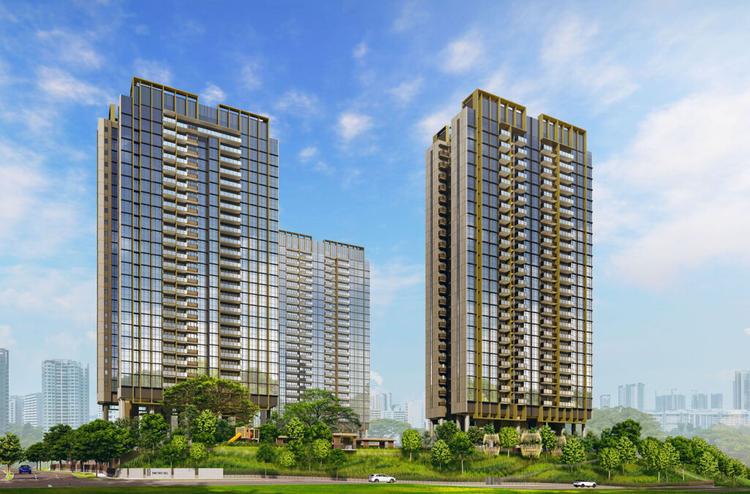
For example, Chencharu Central Residences is a planned private mixed-use development at Chencharu Close in Yishun, District 27. It is expected to accommodate up to approximately 875 residential homes and incorporate retail facilities, a hawker centre and a bus interchange.
Its location may interest families who value access to neighbourhood services and public transport. However, parents should independently investigate nearby schools, actual walking routes and the relevant primary school registration distance before making a purchase decision.
In Sembawang, Fablewoode Residences is a planned executive condominium comprising approximately 265 low-rise homes. Its location on Sembawang Road places it around 0.5km from Canberra MRT station.
Families considering an EC must also understand its eligibility conditions and ownership restrictions. The development’s low-rise residential concept and proximity to the Sungei Simpang Kanan park connector may be lifestyle considerations, but school suitability should be assessed separately.
For both projects, buyers should wait for confirmed project documentation before making assumptions about unit layouts, facilities or launch arrangements.
4. Look Beyond Primary Schools When Planning for the Future
Primary school proximity may be important when children are young, but families should consider their longer-term educational requirements.
A household with preschool-aged children may eventually need access to secondary schools, junior colleges, tuition centres and extracurricular activities.
Parents should examine whether the surrounding area provides convenient connections to educational institutions outside the immediate neighbourhood.
Transport accessibility is particularly important for older students who may travel independently. A nearby MRT station or reliable bus service can make it easier to attend schools and participate in after-school activities.
Families should also consider whether their preferred residential location will remain suitable as household circumstances change.
For instance, a development near recreational spaces may offer additional value to families who enjoy outdoor activities, while convenient shopping and healthcare facilities may simplify everyday responsibilities.
5. Practical Checks Before Purchasing a Family Home
Before selecting a condominium primarily because of nearby schools, complete several basic checks.
Verify official school distances: Use the relevant MOE information and official measurement guidance rather than relying exclusively on property advertisements.
Review admission history carefully: Past registration demand can provide context, but it cannot predict future admission outcomes.
Visit the neighbourhood: Examine pedestrian crossings, traffic conditions and walking routes between the development and nearby schools.
Consider daily transport: Determine whether children can travel conveniently by walking, bus or MRT.
Evaluate the actual property: Assess bedroom arrangements, storage space, common facilities and overall affordability.
Check future household requirements: Consider whether the property will remain practical as children grow older and family needs evolve.
Parents should also avoid paying a substantial premium solely because a property is marketed as being near a popular school. School admission outcomes are not guaranteed, and residential suitability involves many other factors.
Choosing a Neighbourhood That Supports Family Life
A family-friendly condominium should offer more than a convenient address near an educational institution. The surrounding environment, transport connections, recreational facilities and everyday services all contribute to a household’s quality of life.
Yishun and Sembawang provide different residential settings for families exploring northern Singapore. By combining school research with careful property evaluation, parents can make a decision based on realistic expectations rather than school proximity alone.ccess to schools can be an important part of the decision-making process. Parents may want their children to attend a particular primary school, reduce daily travelling time or live within a neighbourhood that offers convenient educational options.
However, choosing a condominium based on nearby schools requires more research than simply identifying educational institutions on a map. School admission rules, distance requirements, transport arrangements and future family needs should all be considered.
Whether purchasing a home for immediate occupation or planning several years ahead, understanding these factors can help families make a more practical property decision.
1. Understand How Primary School Distance Priorities Work
One reason families pay attention to residential location is Singapore’s primary school registration framework.
For primary school admission, Singapore Citizens receive priority over Permanent Residents within the applicable registration phases. Distance from the registered home address to the school is also relevant under the priority categories.
The commonly applied distance bands for relevant phases include:
- Within 1km of the primary school.
- Between 1km and 2km from the primary school.
- Beyond 2km from the primary school.
However, meeting a distance requirement does not guarantee admission. The outcome depends on available places, registration demand, citizenship priority and the applicable allocation rules.
Parents should also understand that school registration distance is determined according to official address and measurement requirements. A condominium’s advertised distance may not necessarily match the official measurement used for registration.
The Ministry of Education (MOE) publishes the latest primary school registration information and should be consulted before making housing decisions based on school proximity.
2. Why Established Residential Towns Can Appeal to Families
Established towns often provide access to a wider range of educational and community facilities.
Yishun, for example, has a developed residential environment with primary and secondary schools, shopping facilities, healthcare services and recreational spaces.
Families considering the area can investigate schools such as Northland Primary School, Naval Base Primary School and Yishun Primary School. Their suitability depends on individual educational preferences and current admission arrangements.
Sembawang offers another residential environment for families. Schools in and around the area include Sembawang Primary School, Wellington Primary School and Canberra Primary School.
When comparing these neighbourhoods, parents should consider more than school proximity. Access to childcare centres, enrichment programmes, libraries and public transport can also influence daily family routines.
The availability of suitable facilities within a convenient travelling distance may be particularly valuable for households with younger children.
3. Assessing New Developments in Yishun and Sembawang
New residential developments can introduce additional housing choices in established northern neighbourhoods.
For example, Chencharu Central Residences is a planned private mixed-use development at Chencharu Close in Yishun, District 27. It is expected to accommodate up to approximately 875 residential homes and incorporate retail facilities, a hawker centre and a bus interchange.
Its location may interest families who value access to neighbourhood services and public transport. However, parents should independently investigate nearby schools, actual walking routes and the relevant primary school registration distance before making a purchase decision.
In Sembawang, Fablewoode Residences is a planned executive condominium comprising approximately 265 low-rise homes. Its location on Sembawang Road places it around 0.5km from Canberra MRT station.
Families considering an EC must also understand its eligibility conditions and ownership restrictions. The development’s low-rise residential concept and proximity to the Sungei Simpang Kanan park connector may be lifestyle considerations, but school suitability should be assessed separately.
For both projects, buyers should wait for confirmed project documentation before making assumptions about unit layouts, facilities or launch arrangements.
4. Look Beyond Primary Schools When Planning for the Future
Primary school proximity may be important when children are young, but families should consider their longer-term educational requirements.
A household with preschool-aged children may eventually need access to secondary schools, junior colleges, tuition centres and extracurricular activities.
Parents should examine whether the surrounding area provides convenient connections to educational institutions outside the immediate neighbourhood.
Transport accessibility is particularly important for older students who may travel independently. A nearby MRT station or reliable bus service can make it easier to attend schools and participate in after-school activities.
Families should also consider whether their preferred residential location will remain suitable as household circumstances change.
For instance, a development near recreational spaces may offer additional value to families who enjoy outdoor activities, while convenient shopping and healthcare facilities may simplify everyday responsibilities.
5. Practical Checks Before Purchasing a Family Home
Before selecting a condominium primarily because of nearby schools, complete several basic checks.
Verify official school distances: Use the relevant MOE information and official measurement guidance rather than relying exclusively on property advertisements.
Review admission history carefully: Past registration demand can provide context, but it cannot predict future admission outcomes.
Visit the neighbourhood: Examine pedestrian crossings, traffic conditions and walking routes between the development and nearby schools.
Consider daily transport: Determine whether children can travel conveniently by walking, bus or MRT.
Evaluate the actual property: Assess bedroom arrangements, storage space, common facilities and overall affordability.
Check future household requirements: Consider whether the property will remain practical as children grow older and family needs evolve.
Parents should also avoid paying a substantial premium solely because a property is marketed as being near a popular school. School admission outcomes are not guaranteed, and residential suitability involves many other factors.
Choosing a Neighbourhood That Supports Family Life
A family-friendly condominium should offer more than a convenient address near an educational institution. The surrounding environment, transport connections, recreational facilities and everyday services all contribute to a household’s quality of life.
Yishun and Sembawang provide different residential settings for families exploring northern Singapore. By combining school research with careful property evaluation, parents can make a decision based on realistic expectations rather than school proximity alone.